
Transgender Flag Emoji
Transgender Flag Emoji: Copy, Paste & Meaning
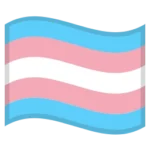
Looking for the perfect symbol to show trans pride? The transgender flag emoji does exactly that. This light blue, pink, and white banner represents transgender identity and community support.
People grab it for Pride Month posts, pronoun updates, and solidarity messages. But what makes this symbol so important? Let’s explore everything about this meaningful pride flag.
What Transgender Flag Emoji Represents
This horizontal banner displays five stripes in a specific pattern. Light blue stripes appear on top and bottom. Pink stripes sit next to them. A white stripe runs through the middle. The transgender flag emoji celebrates trans identity and visibility.
Monica Helms designed the original flag back in 1999. She wanted colors that represented traditional gender associations. Light blue for boys, pink for girls, and white for transitioning or non-binary folks. The design became official trans community symbolism.
Common meanings include:
- Transgender pride and identity
- Trans Visibility Day celebrations
- LGBTQ community support and allyship
- Gender identity awareness campaigns
- Memorial and remembrance events
Social platforms see heavy usage during Pride Month annually. Advocacy groups include it in educational content. Personal profiles display it for identity expression.
Copy Transgender Flag Emoji Now
Click the symbol below to copy it:
[Trans Flag]
Paste it anywhere on iPhone, Android, Windows, or Mac devices. Works perfectly on Instagram bios, Twitter names, Discord servers, and text messages. Every platform shows it consistently.
When People Use This Symbol
Pride Month Celebrations
June brings massive visibility for LGBTQ communities everywhere. This symbol appears in posts, stories, and profile updates. Organizations change logos to include pride symbols.
Trans Visibility Day
March 31st marks International Transgender Day of Visibility annually. People share personal stories with this symbol attached. Community members celebrate their authentic selves publicly.
Pronoun Declarations
Social media bios commonly include pronouns alongside this banner. Email signatures feature it for workplace visibility. This symbol signals inclusive spaces.
Solidarity Messages
Allies use it to show support for trans communities. Advocacy posts include it for awareness campaigns. Political discussions feature it during rights debates.
Memorial Events
Transgender Day of Remembrance happens every November 20th. Communities honor lives lost to violence and discrimination. The flag accompanies grief and determination for change.
Context shapes exact meaning every single time. Surrounding words clarify specific support or celebration expressed.
Platform Display Variations
Apple renders detailed stripes with slight gradient shading. Google shows flat colors in clean horizontal bands. Samsung displays a gently waving flag animation. Microsoft creates a simple static design.
Visual differences exist but recognition stays universal across devices. The distinctive color pattern makes it immediately identifiable. Light blue, pink, and white together signal trans pride specifically.
Unicode 13.0 added this flag in March 2020. The combination uses multiple code points together. This technical approach creates the specific pride flag variation.
Smart Symbol Combinations
Pair the transgender flag emoji with rainbow flag for broader LGBTQ pride. Add a heart to emphasize love and acceptance. Include raised fist for activism and resistance.
Sparkles plus flag creates celebratory energy in posts. Birthday cake with flag celebrates trans birthdays specifically. These combinations add emotional depth to messages.
Progress flag plus trans flag shows intersectional solidarity. Butterfly symbolizes transformation and growth beautifully. Creative combinations help express complex feelings instantly.
Common Mistakes People Make
Using it without understanding trans experiences feels performative sometimes. Genuine allyship requires action beyond symbol posting. Empty gestures without real support ring hollow.
Combining it with contradictory messages confuses your audience badly. Supporting trans rights means advocating for actual protections. The transgender flag emoji deserves respectful, thoughtful usage.
Posting it only during Pride Month looks like tokenism. Year-round visibility matters more for genuine support. Consistent advocacy builds trust within communities.
Forgetting intersectionality leaves people out unnecessarily. Trans experiences vary across race, class, and ability. Inclusive messaging acknowledges these diverse realities.
Why This Symbol Matters So Much
The transgender flag emoji provides instant identity validation digitally. Before this, trans folks lacked specific representation online. One symbol now communicates entire community belonging.
Visibility literally saves lives in marginalized communities. Seeing yourself reflected publicly reduces isolation significantly. Digital symbols create connection across geographical distances.
Young people especially need identity affirmation desperately. Social media serves as primary community space now. The flag helps questioning individuals find their people.
Political climate makes visible support increasingly critical. Trans rights face constant legislative attacks worldwide. The transgender flag emoji becomes both shield and declaration.
Technical Details Explained
Official Unicode name reads “Transgender Flag.” The sequence combines White Flag (U+1F3F3), Variation Selector-16 (U+FE0F), Zero Width Joiner (U+200D), Transgender Symbol (U+26A7), and another Variation Selector-16 (U+FE0F).
Emoji version 13.0 classification applies universally now. Released with Unicode 13.0 in March 2020. The multi-codepoint method allows specific pride flag variations.
Not all platforms supported it immediately upon release. Older devices might show individual components separately. Modern systems display the combined flag properly.
Developers must implement the exact sequence correctly. Missing any component prevents proper flag display. HTML coding requires all five Unicode values.
Historical Context and Significance
Monica Helms created the physical flag in 1999. She debuted it at Phoenix Pride parade that year. The design gained recognition throughout trans communities gradually.
Each color choice carries intentional symbolic meaning. Light blue represents traditional male association. Pink symbolizes traditional female connection. White signifies those transitioning, non-binary folks, or intersex individuals.
The Smithsonian acquired the original flag in 2014. This acquisition recognized its cultural and historical importance. Trans visibility increased significantly throughout the 2010s.
Digital representation lagged behind community need initially. Unicode finally added it after years of advocacy. The 2020 release marked meaningful progress for representation.
Advocacy and Activism Usage
Trans rights organizations use it in campaign materials constantly. Healthcare access advocacy features it prominently. Legislative advocacy posts include it for recognition.
Educational content about gender identity includes it naturally. School GSA groups display it in promotional materials. The transgender flag emoji helps normalize trans existence.
Fundraising campaigns for trans causes feature it heavily. Mutual aid networks use it to identify support resources. Community organizing relies on shared symbols for unity.
Political candidates supporting trans rights include it sometimes. Voter mobilization efforts targeting LGBTQ communities use it. Electoral politics increasingly recognize trans visibility importance.
Personal Identity Expression
Coming out posts often feature this symbol prominently. Transition announcements include it for context and pride. The transgender flag emoji marks significant personal milestones.
Profile customization across platforms includes it regularly. Discord servers for trans communities display it clearly. Online spaces use it to signal safety and belonging.
Art and creative content incorporate it beautifully. Digital artists create pride-themed work featuring it. The symbol inspires creative expression across mediums.
Name and pronoun updates pair with it naturally. LinkedIn profiles sometimes include it professionally. Workplace visibility continues expanding gradually.
International Recognition Patterns
Western countries show highest usage rates currently. North American and European platforms see frequent deployment. Cultural acceptance levels affect visibility comfort.
Some regions face legal restrictions on LGBTQ content. Users in these areas risk consequences for display. Digital activism takes courage in hostile environments.
Global trans communities connect through shared symbols. Language barriers dissolve with visual representation. The transgender flag emoji transcends words effectively.
Younger generations worldwide embrace it more readily. Cultural shifts happen faster in digital spaces. International solidarity grows through symbol sharing.
Educational Resource Integration
LGBTQ education materials feature it in visual content. Ally training programs use it for recognition practice. The symbol helps normalize trans identity discussions.
School diversity initiatives include it in presentations. University resource centers display it prominently. Educational settings increasingly acknowledge trans students.
Mental health resources for trans youth feature it. Crisis intervention services use it for outreach. Support networks rely on recognizable symbols.
Workplace diversity training incorporates it now. HR materials about inclusion feature pride symbols. Professional environments slowly improve representation.
Quick Typing Methods
iPhone Users
Tap emoji keyboard and search “transgender” directly. Browse flags category for pride options. Select the light blue, pink, and white banner.
Android Users
Open emoji panel through keyboard. Search “trans flag” in the search bar. Tap the displayed pride flag option.
Windows Users
Press Windows plus period keys together. Type “transgender” in search box. Click the flag when it appears.
Mac Users
Hit Control, Command, and Space simultaneously. Search “trans flag” in the popup. Select from displayed emoji results.
Modern devices make pride flags accessible quickly. Search functions work better than category scrolling. Most people find it within seconds.
Frequently Asked Questions
What does it represent? Transgender identity, pride, and community.
Who designed the original flag? Monica Helms created it in 1999.
When was it added to Unicode? March 2020 with Unicode 13.0 release.
What do the colors mean? Blue for boys, pink for girls, white for transitioning.
Can allies use it? Yes, to show genuine support.
What’s the Unicode sequence? Five code points combine to form it.
Final Thoughts
The transgender flag emoji celebrates identity and builds community. Copy it here for pride posts, pronoun updates, and solidarity messages. This meaningful symbol helps create safer, more visible spaces for trans people everywhere.