

June budget organization ideas start with a summer truth: June costs sneak up fast. Ice cream trips, day camps, swim gear, and a weekend away can each feel small, yet together they can eat a whole month of careful spending. You do not need a strict diet for your wallet or a pile of apps you will stop opening by July. You need one clear place for your money plans, a few limits you can actually keep, and a short weekly habit that catches small slips early. These june budget organization ideas give you that calm setup, without turning summer into a spreadsheet chore.
Start with a monthly budget binder you can hold in your hands. A binder works because it is always in the same spot, and you can see the whole month at a glance. Put five tabs inside it: income, bills, groceries, summer fun, and savings.
Add a simple spending tracker page for each week, plus one page for bill due dates. If you liked the may budget organization ideas, this June version is the same binder habit, only updated for summer costs like camps, travel, and back-to-school savings. That one binder is the base of june budget organization ideas that last past June.
Next, set your summer spending plan in about 30 minutes. Write down what you expect to spend in June, not what you wish you would spend. List your fixed bills first, then groceries, then the summer extras: camps, trips, parties, and kids summer budget items like swim lessons. Give each item a limit, and leave a small buffer for surprises, because summer always brings one.
A budget planner printable helps here, since you can print a fresh page each month and keep the old ones in the binder for reference. This is where june budget organization ideas stay practical: a fresh page each month, no fancy app needed.
Now make a grocery budget you can keep. Groceries are often the easiest place to save, because the wins show up every week. Plan three or four dinners before you shop, check what is already in your pantry, and build a list around that. A pantry budget works best when you shop the pantry first: use the rice, pasta, and canned goods you already own before you buy more.
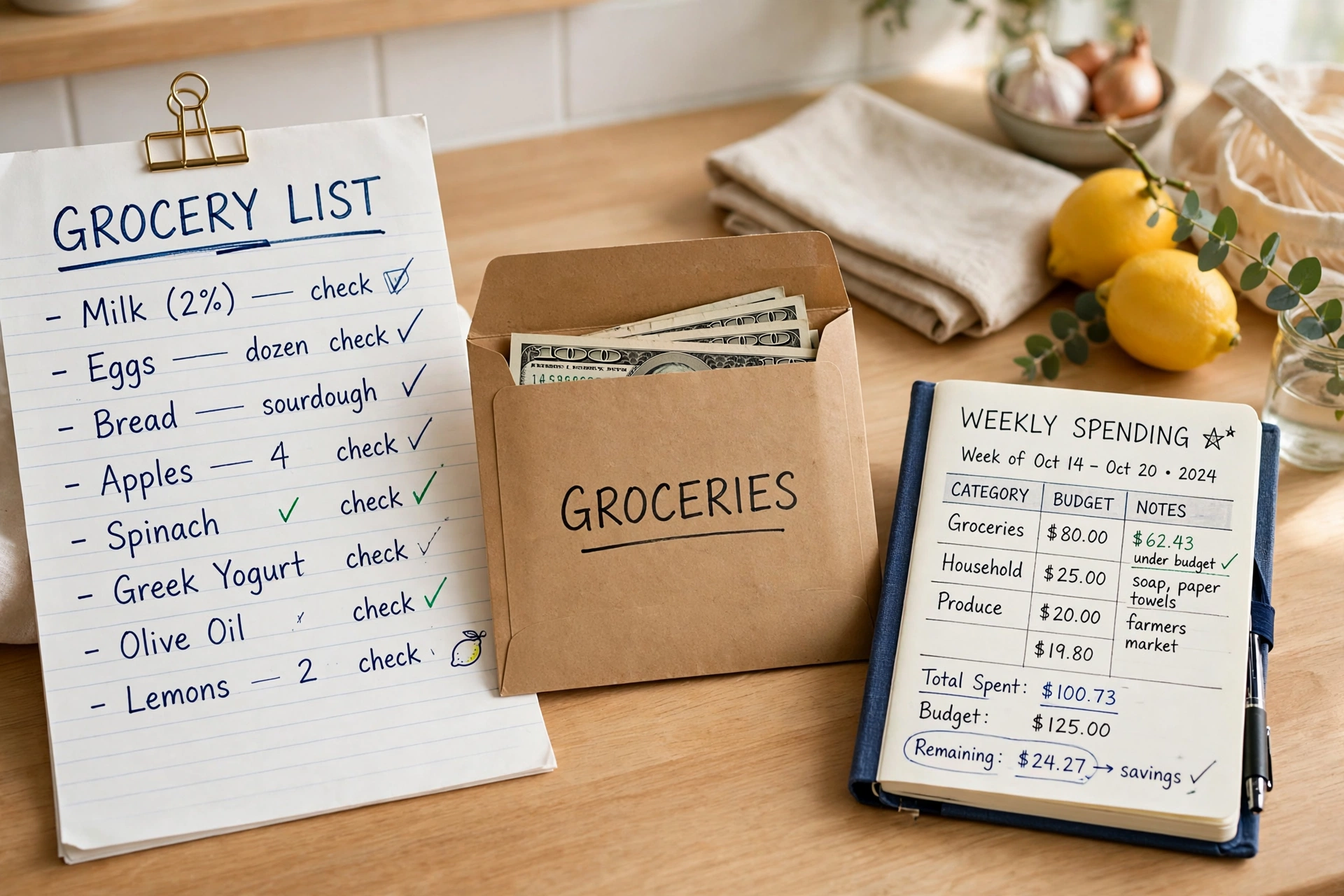
Try a cash envelope system for groceries for one month, with a set amount of cash each week. When the envelope is empty, you wait until next week, and that simple limit stops the extra trips that add up so fast. Good june budget organization ideas keep the grocery limit kind, not punishing, so you still enjoy a treat now and then.
Sinking funds are the next easy win. A sinking fund is just a small amount you save each week for a cost you know is coming. Set up jars or separate savings spots for a vacation fund, car repairs, school supplies, and holiday gifts.
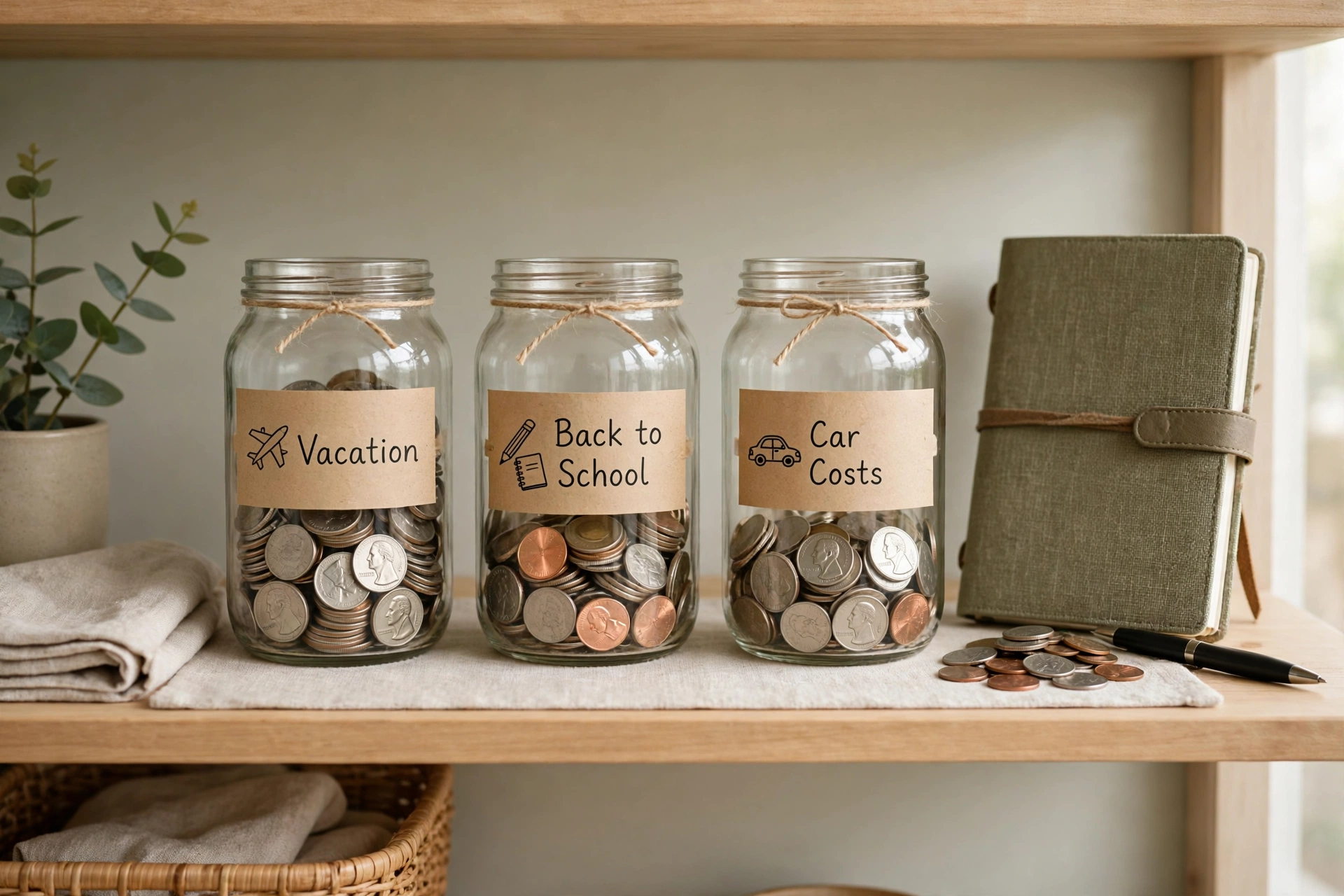
Put in a little each payday, even if it is only a few dollars, and the money is ready when you need it. These june budget organization ideas work well with sinking funds, because summer costs stop feeling like emergencies once you have saved for them bit by bit. Your savings goals get much easier when each goal has its own jar and its own small weekly amount.
Track your bills without missing a due date. A bill tracker can be one page in your binder with four columns: bill name, amount, due date, and paid date. Fill it in on the first day of the month, and check it during your weekly money check-in.
Set phone reminders for the two or three bills that change each month, like utilities. If you have a debt payoff plan, add one extra line for it, so the payment is part of the plan and not an afterthought. Good june budget organization ideas treat bills as dates first and amounts second. When every bill has a date and a check box, late fees drop fast, and you stop guessing what is due next.
A weekly money check-in takes about 15 minutes and keeps the whole system honest. Pick the same day each week, sit down with your binder, and ask three questions: What did we spend this week? What is due next week? Is any category close to its limit? Sort receipts into a receipt organizer as you go, so nothing sits loose in a bag or a drawer.
The Consumer Financial Protection Bureau (https://www.consumerfinance.gov/consumer-tools/budgeting/) shares free budgeting worksheets that fit well in a binder if you want a ready-made page. This short check-in is also the best time to update your expense categories, since you can see right away which ones need more room and which ones have room to spare.
Cut spending without cutting the fun by doing a quick subscription audit. List every streaming service, app, and membership you pay for, and mark the ones no one used last month. Cancel or pause just one or two, and move that money to your vacation fund or your savings goals.
Then try one no-spend week in June, where you buy only groceries and true needs for seven days. It is a reset, not a punishment, and it often shows you how much fun you can have with what you already own. If the june kids room organization ideas post helped you sort summer toys and clothes, and the june cleaning schedule ideas post helped your home, use the same habit here: one small sort, one clear choice, done.
June Money Zones at a Glance:
| Bills | Rent, utilities, phone, insurance | Check bill tracker, mark paid dates. |
| Groceries | Food, pantry staples, household basics | Shop from a list, track the envelope. |
| Summer fun | Camps, trips, parties, kids activities | Check the kids summer budget limit. |
| Savings | Vacation fund, sinking funds, school costs | Move a small amount each payday. |
| Debt | Card or loan payments | Pay on schedule, note the new balance. |
Your June Budget Week:
- Monday: check bill due dates for the week ahead and set reminders.
- Tuesday: plan dinners, shop the pantry, and write the grocery list.
- Wednesday: update the spending tracker and sort new receipts.
- Thursday: move sinking fund amounts for vacation and school costs.
- Friday: quick subscription check — pause anything unused this month.
- Sunday: 15-minute weekly money check-in with your binder and a cup of tea.
FAQ — How do I start organizing my budget in June? Start with one binder and one month. List your bills, set a grocery budget, and pick two sinking funds for summer costs. Then do a weekly money check-in so small slips get caught early. That simple start is the heart of good june budget organization ideas, because a system you use beats a perfect system you ignore.
FAQ — What are sinking funds and how much should I save? Sinking funds are small savings pots for costs you know are coming, like a trip, car repairs, or school supplies. Save a little each payday, even a few dollars, and split it across your goals. When the cost arrives, the money is already there, so you do not need to reach for a card.
FAQ — How can I keep my grocery budget under control in summer? Plan meals before you shop, check your pantry first, and use a cash envelope system for one month to learn your real weekly spend. Keep a short list, shop once a week when you can, and leave room for one treat. Small, steady limits work better than a tight budget you quit after a week.
FAQ — Should I track every dollar I spend? You do not need to track every coin. Track your main expense categories each week, check bills on time, and review the total once a week. That level of tracking catches most problems, and it takes far less time than logging every single purchase.
Conclusion: A calm June budget is not about saying no to summer. It is about knowing where the money goes, saving a little for the fun ahead, and checking in once a week before small costs grow. One binder, a grocery limit you can keep, a few sinking funds, and a short weekly check-in — that is the whole system behind these june budget organization ideas, and it fits real summer life: camps, trips, treats, and quiet weeks at home. Start with one page today, and let June feel lighter, not tighter.