
Hand wave Emoji
The Hand Wave Emoji: Your Complete Guide to Digital Greetings
Ever opened a message and saw that friendly waving hand staring back at you? That simple gesture carries more weight than most people realize. The hand wave emoji has become the universal symbol for hellos, goodbyes, and everything in between across digital platforms worldwide.
We’ve all been there. You want to start a conversation without seeming too formal or too casual. You need something that breaks the ice naturally. The hand wave emoji does exactly that. It transforms cold text into warm human interaction instantly.
What Makes This Symbol So Popular?
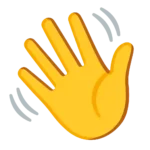
The waving hand (Unicode U+1F44B) first appeared in Unicode 6.0 back in 2010. Most platforms display it as a raised hand with motion lines suggesting movement. The design conveys friendliness and approachability instantly.
Apple shows it with a yellow hand and three blue motion lines. Google uses a similar design with slightly different styling. Samsung adds its own touch to the visual presentation. Despite these variations, everyone recognizes the meaning immediately.
The hand wave emoji works across iOS, Android, Windows, and every major messaging platform. The universal recognition makes it one of the most practical options in digital communication today.
Unicode Technical Specifications
The official Unicode name is “Waving Hand emoji.” It belongs to the People & Body category within the emoji classification system. The codepoint U+1F44B ensures consistent rendering across different systems and devices.
Developers can implement it using various methods. HTML entities, CSS codes, and JavaScript all support this Unicode value. Web designers frequently use it in user interfaces to create welcoming experiences.
The symbol supports skin tone modifiers through Unicode variation selectors. This allows users to personalize the gesture to match their appearance. The base yellow version remains the most commonly used across all demographics.
Available Skin Tone Variations
Modern emoji keyboards offer six skin tone options for waving hands. These range from light to dark, following the Fitzpatrick scale used in dermatology. Users can select their preferred tone through standard emoji menus.
The variations use Unicode modifiers (U+1F3FB through U+1F3FF) combined with the base symbol. This technical approach maintains compatibility while offering personalization. Most platforms updated their keyboards to include these options by 2015.
Choosing a skin tone is entirely optional. Many users stick with the default yellow version. Others appreciate the ability to make their digital communication feel more personal and representative.
Common Ways People Use This Gesture
Starting Conversations
The hand wave emoji opens dialogue in a friendly, non-threatening way. The gesture signals approachability right from the first word.
Saying Goodbye
“Talk to you later” provides a warm closing without seeming abrupt. It softens endings that might otherwise feel cold in text form.
Getting Attention
“Over here” works perfectly when you need someone to notice you. The motion implied by the design grabs visual attention effectively.
Acknowledging Someone
“Saw your message” confirms receipt while maintaining a casual tone. It shows engagement without requiring a lengthy response.
Breaking Awkward Silence
When conversations stall, a simple wave can restart the flow. It signals you’re still present and interested without forcing anything.
Why This Symbol Works So Well
Human brains process gestures faster than words. The waving motion is culturally recognized across most societies as a greeting. This makes it incredibly efficient for quick communication needs.
Research shows that visual symbols increase message comprehension by up to 60 percent. The hand wave emoji adds emotional context that plain text lacks. Recipients immediately understand your friendly intent.
The informality level sits perfectly in the middle ground. It’s warmer than a period but less intense than multiple exclamation marks. This balance makes it suitable for various contexts.
Professional vs Casual Usage Guidelines
Corporate communication requires careful symbol selection. The hand wave emoji generally reads as too casual for formal business emails. However, internal team chats often embrace it enthusiastically.
Startups and creative industries use them freely in all contexts. Traditional corporations might frown upon them in client-facing communication. Know your workplace culture before adding them to professional messages.
Customer service teams frequently use waving gestures to seem approachable. The symbol humanizes automated responses and makes interactions feel personal. Strategic placement can improve customer satisfaction scores.
Cultural Meanings Around the World
Western cultures universally interpret the wave as friendly. Asian countries share this positive association. Middle Eastern regions also view it as a welcoming gesture.
However, palm orientation matters in some cultures. A backward wave can seem dismissive or rude in certain countries. The design typically shows a palm-forward wave that translates well globally.
Greek culture historically associated certain hand gestures with insults. The digital version avoids these complications through its clearly friendly motion lines. Context and platform both influence interpretation.
Platform Display Differences Explained
Apple’s design features clean lines and vibrant colors. The motion lines curve slightly, suggesting energetic movement. The overall style matches iOS’s aesthetic perfectly.
Google opted for a flatter design approach. The hand appears more minimalist with straighter motion lines. Android users see this version across most devices.
Samsung adds subtle shadows and more detailed fingers. The motion effect uses lighter blue tones. Windows platforms show Microsoft’s interpretation with similar friendly characteristics.
Twitter and Facebook have their own custom versions. These maintain the core waving concept while matching each platform’s design language. The meaning remains consistent despite visual differences.
Best Times to Use Waving Gestures
Morning messages benefit from this cheerful opener. “Good morning” starts someone’s day with positive energy. It beats a plain greeting for warmth and personality.
First-time contacts appreciate non-threatening introductions. The wave establishes friendly intentions immediately. It reduces the formality barrier that often makes initial conversations awkward.
Group chats see frequent usage for arrivals and departures. Announcing your presence feels natural and unobtrusive. It acknowledges others without demanding immediate attention.
Video call messages work perfectly with waving symbols. “Joining now” tells participants you’re arriving. It matches the visual medium better than plain text announcements.
Common Mistakes to Avoid
Overuse in Single Conversations
Waving at every message makes you seem overeager or insincere. Once or twice per conversation achieves the right balance. More than that dilutes the impact.
Using in Serious Discussions
“We need to talk” with a hand wave emoji sends mixed signals about importance. Save the friendly gesture for lighter topics. Serious conversations need matching tone throughout.
Combining with Conflicting Messages
“You’re fired” paired with friendliness creates jarring tonal dissonance. The cheerful symbol clashes with negative content. Match your choice to message sentiment.
Forgetting Context Matters
A hand wave emoji might seem flippant during crisis communication. Emergency updates need clear, direct language without casual symbols. Timing affects appropriateness significantly.
How to Copy and Use This Symbol
Most smartphones include the hand wave emoji in their standard emoji keyboards. Search “wave” or “hand” to locate it quickly. Tapping once inserts it into your message instantly.
Desktop users can access emoji pickers through operating system shortcuts. Windows uses Win + period. Mac users press Control + Command + Space. These shortcuts open full emoji menus.
Websites dedicated to emoji copying offer instant access. Click the symbol, and it copies to your clipboard automatically. Paste it anywhere text input is accepted.
Developers working with Unicode can reference U+1F44B directly. This works in HTML, CSS, JavaScript, and most programming languages. The code ensures consistent display across platforms.
Combining Waves with Other Symbols
Pairing symbols creates nuanced communication. The hand wave emoji combined with a smile reinforces friendly intentions clearly. The combination strengthens your welcoming message effectively.
Specifying gender along with skin tone lets users express themselves more precisely. Not all platforms support every combination perfectly.
Keep combinations simple for best compatibility. Two or three symbols work well together. More than that often looks cluttered or confusing.
Accessibility Considerations for Screen Readers
Screen reading software announces symbols by their Unicode names. Users hear “waving hand sign” when encountering this gesture. This maintains communication accessibility for visually impaired individuals.
Overusing symbols can make screen reader output tedious. Each one requires verbal announcement. Balance usage with clear text for inclusive communication.
Some users disable rendering entirely. Your message should make sense with or without symbols. The hand wave emoji should enhance rather than carry your meaning.
Evolution of Digital Greetings
Early internet communication relied on text-based emoticons. The classic smiley served where symbols now thrive. Japanese mobile users pioneered graphical options in the late 1990s.
Unicode adoption standardized symbols across platforms starting in 2010. hand wave emoji gestures joined this first wave of standardized options. Its immediate popularity proved the need for visual greetings.
Modern communication blends text, symbols, and multimedia seamlessly. Waving remains relevant despite newer options. Its simplicity ensures continued widespread usage.
Psychology Behind Waving Gestures
Humans are hardwired to respond to hand gestures. Mirror neurons fire when we observe others waving. This creates automatic feelings of connection and reciprocity.
The symbol triggers positive associations with real-world greetings. Our brains don’t fully distinguish between digital and physical waves. This explains its powerful emotional impact.
Studies show that messages with friendly symbols receive faster responses. Waving qualifies as one of these engagement boosters. Recipients feel more compelled to reply promptly.
Frequently Asked Questions
What does the waving hand symbol mean?
It represents greetings, goodbyes, or friendly acknowledgment in digital conversations across all platforms.
How do I get different skin tones?
Long-press the symbol on mobile keyboards to see all tone options. Select your preferred variation from the menu.
Is waving appropriate for work messages?
It depends on company culture. Creative workplaces embrace it while traditional offices prefer professional restraint.
Can I use it to say goodbye?
Yes. The symbol works equally well for hellos and goodbyes in casual digital communication contexts.
Why do platforms show different designs?
Each company creates unique artwork while maintaining the core waving gesture for universal recognition.
Does the wave mean something rude anywhere?
No. The palm-forward wave with motion lines translates as friendly across nearly all cultures worldwide.
Conclusion
The hand wave emoji bridges the gap between cold text and warm human interaction perfectly. It’s versatile, universally understood, and surprisingly powerful for such a simple symbol. Copy it from your keyboard, use it wisely, and watch your digital conversations become instantly more welcoming. That little waving hand might just be the friendliest tool in your messaging arsenal.