
Devil Emoji
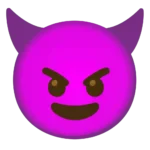
The Devil Emoji: Meaning, Usage, and When to Use It
Ever wanted to admit you’re feeling a little mischievous without saying it outright? The devil emoji does that job perfectly. This cheeky purple face has become the internet’s favorite way to express playful wickedness.
You’re about to do something you probably shouldn’t, but you’re doing it anyway. We all have those moments. The devil emoji lets you own that rebellious energy with a wink.
What This Mischievous Face Represents
The smiling face with horns (Unicode U+1F608) joined the emoji collection in Unicode 6.0 back in 2010. Most platforms display it as a purple or violet face with small horns and a sly grin. The design captures playful mischief instantly.
Apple shows it with a deep purple color and friendly smile. Google opts for a similar shade with slightly larger horns. Samsung adds a mischievous smirk that emphasizes the cheeky vibe. Despite variations, everyone understands the playful wickedness it conveys.
This symbol works across iOS, Android, Windows, and every major messaging platform. The universal recognition makes it perfect for expressing harmless troublemaking and flirtatious energy.
Unicode Technical Specifications
The official Unicode name is “Smiling Face with Horns.” It belongs to the Smileys & Emotion category within the emoji classification system. The codepoint U+1F608 ensures consistent rendering across different platforms and devices.
Developers implement it through standard Unicode references in their code. HTML entities, CSS content properties, and JavaScript strings all support this specific value. Web designers use it frequently for gaming interfaces and entertainment content.
This face doesn’t support skin tone modifiers due to its fantastical nature. The purple coloring remains constant across all implementations worldwide. This consistency helps maintain its playful, non-threatening character.
Common Meanings and Interpretations
Playful Mischief
The devil emoji works perfectly when you’re planning something cheeky. “About to eat the last cookie” becomes more fun with this addition.
Flirty Conversations
Dating apps see this symbol constantly in playful banter. It suggests attraction without being overly forward or aggressive.
Guilty Pleasures
“Ordering takeout for the third time this week” gains playful acknowledgment. The symbol admits indulgence without actual guilt or shame.
Rebellious Moments
“Stayed up way too late again” captures that defiant energy. It shows you knowingly broke your own rules anyway.
Sarcastic Responses
“Oh no, what a terrible idea” paired with horns signals obvious sarcasm. The face clarifies your actual playful tone effectively.
Why This Symbol Became Popular
Social media culture embraces authentic self-expression without judgment. The devil emoji lets people admit imperfections playfully rather than defensively. It removes the sting from admitting small transgressions.
Dating culture adopted it for flirtatious communication early on. The symbol suggests interest while maintaining plausible deniability. It walks the perfect line between innocent and suggestive.
Meme culture accelerated its spread across platforms significantly. “Chaotic energy” posts feature it prominently in captions. The face captures that “I know I’m trouble” vibe.
Gen Z embraced it as authentic self-aware communication. Unlike older generations who hide imperfections, they celebrate them. This symbol perfectly matches their transparent communication values.
Platform Design Differences
Apple’s version features rich purple tones with friendly features. The horns curve gently upward in a non-threatening way. iOS users see this approachable interpretation everywhere.
Google created a slightly lighter purple with bigger horns. The smile appears more mischievous than Apple’s friendly version. Android devices display this cheekier variation consistently.
Samsung added a knowing smirk to their design. The expression leans more obviously flirtatious than competitors. This version stands out in romantic conversations.
Windows keeps it simple with classic purple coloring. The traditional approach works well on desktop displays. Microsoft users see this straightforward interpretation throughout.
Twitter and Facebook have platform-specific renderings. These maintain brand aesthetics while preserving core meaning. Cross-platform conversations rarely cause confusion despite differences.
Best Times to Use Horned Faces
Late Night Decisions
“Buying concert tickets I can’t afford” deserves proper acknowledgment. The devil emoji admits questionable choices with humor instead of regret.
Cheat Day Posts
Food photos benefit from playful confession energy. “Fourth slice of pizza” becomes relatable rather than shameful.
Flirting Contexts
“What are you doing later” gains playful suggestion. The symbol adds intrigue without crossing inappropriate lines.
Breaking Your Own Rules
“Skipping the gym again” shows self-aware defiance. The face owns the choice without making excuses.
Sarcastic Comments
“Sure, that sounds like a great plan” needs tone clarification. The horns signal you’re being playfully sarcastic.
Common Mistakes People Make
Using in Serious Situations
Actual bad behavior doesn’t benefit from devil symbolism. Save it for harmless mischief only always. Real problems need genuine acknowledgment instead.
Overusing with Every Message
Not every statement deserves mischievous energy attached. Once per conversation maintains its playful impact. Multiple uses make you seem trying too hard.
Professional Communication
Work emails never need devilish implications added. Keep it casual for personal conversations exclusively. Professional contexts require more appropriate symbolism.
Misreading Romantic Context
The devil emoji can seem overly suggestive sometimes. Know your relationship status before deploying it. First conversations might need safer options.
How to Copy and Use It
Smartphone emoji keyboards include horned faces in the smileys section. Search “devil” or “horns” to locate it instantly. One tap inserts it into any message.
Desktop emoji pickers work through system shortcuts easily. Windows users press Win + period for immediate access. Mac users hit Control + Command + Space for menus.
Emoji copying websites offer instant clipboard functionality. The devil emoji copies with a single click action. Paste it anywhere that accepts standard text input.
Web developers reference U+1F608 in their code directly. This Unicode value works across HTML, CSS, and JavaScript. Implementation ensures consistent display across all modern browsers.
Related Devil Symbols and Variations
The angry devil face (U+1F47F) offers a more intense option. It features frowning expression instead of the playful smile. This version suggests actual mischief rather than harmless fun.
The imp emoji shows a similar creature with different coloring. Some platforms display it with red tones instead. Both convey mischievous energy in different intensities.
Purple heart symbols often pair with horned faces. The combination creates flirtatious romantic messaging. Context determines whether combinations enhance or confuse.
Fire symbols frequently accompany devil emojis in posts. “This outfit is fire” with horns amplifies confidence. The pairing suggests bold, assertive energy.
Psychology Behind Mischief Symbols
Humans enjoy admitting minor rule-breaking in safe contexts. It creates bonding through shared imperfection experiences. The devil emoji facilitates this psychological connection digitally.
Playful rebellion signals confidence and self-acceptance to others. Owning your choices demonstrates emotional maturity actually. The symbol communicates this self-awareness efficiently.
Flirtation requires plausible deniability in early dating stages. The horned face provides exactly that protective ambiguity. It suggests interest while allowing retreat if needed.
Sarcasm often fails in text without tone indicators. Visual symbols solve this communication problem effectively. The devil clarifies playful intent that words alone miss.
Dating and Flirtation Applications
Early dating app conversations benefit from playful energy. “I’m trouble” with devil horns shows confidence attractively. The symbol suggests fun personality without seeming desperate.
Established relationships use it for inside jokes constantly. Couples develop shared language around mischievous moments. The face becomes shorthand for specific relationship dynamics.
Compliments gain flirtatious edge through proper pairing. “Looking good today” with horns adds playful suggestion. The symbol transforms friendly into potentially romantic.
Suggestive messages need appropriate tone indicators always. The devil emoji walks that line perfectly when appropriate. Context and relationship status determine effectiveness completely.
Cultural Interpretations Worldwide
Western cultures generally embrace playful devil imagery openly. The symbol fits naturally into casual communication patterns. American and European users adopted it enthusiastically.
Christian contexts sometimes avoid devil symbolism entirely. Religious communities might find it inappropriate regardless. Know your audience before using religious imagery.
Asian cultures interpret mischief differently across regions traditionally. Japanese users embrace kawaii devil aesthetics readily. Other areas might approach it more cautiously.
Latin American users employ it for various celebrations. The playful energy matches expressive cultural communication styles. Devil imagery appears less controversial in these contexts.
Gaming and Entertainment Usage
Gaming communities use horned faces for trash talk. “About to destroy you” gains playful competitive energy. The symbol keeps rivalry friendly rather than hostile.
Streaming culture adopted it for chaotic content warnings. “This stream is going to get wild” sets expectations. The face signals unpredictable entertainment ahead.
Music festivals and party promotion feature it prominently. “Tonight is going to be crazy” pairs naturally. The symbol amplifies excitement for nightlife events.
Halloween season sees increased usage across platforms. Costume photos and spooky content benefit from devil imagery. The seasonal appropriateness makes it appear everywhere.
Frequently Asked Questions
What does the horned face mean?
It expresses playful mischief, flirtation, guilty pleasures, or sarcasm in casual digital conversations and messages.
How do I copy this symbol?
Use your device’s emoji keyboard by searching “devil” or visit emoji websites for instant click-to-copy access.
Is it appropriate for all conversations?
No. Avoid it in professional settings and serious discussions. Save it for casual, playful contexts only.
Can it seem too suggestive?
Yes, in early dating or professional contexts. Know your relationship and audience before using it flirtatiously.
What’s the difference between devil faces?
The smiling version is playful while the angry version seems more genuinely mischievous or threatening in tone.
Why do people use it so much?
It perfectly captures self-aware rule-breaking and playful confidence that modern digital communication values highly.
Conclusion
The devil emoji brings playful wickedness to digital conversations perfectly. It lets you own your mischievous side without apology or shame. Copy it whenever you need to express harmless trouble or flirtatious energy. This purple face turns small rebellions into relatable moments instantly.